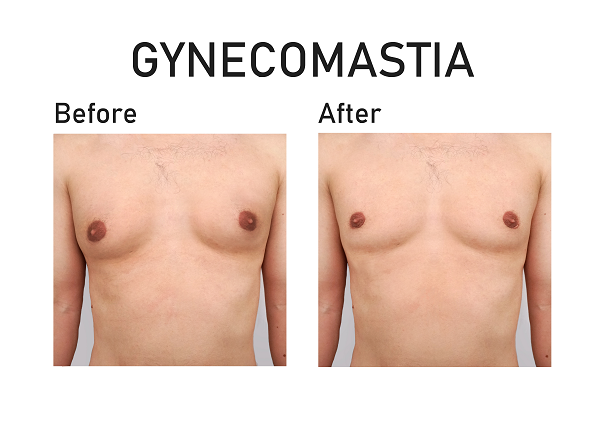
Gynecomastia
What is Gynecomastia?
Gynecomastia is a condition characterized by the enlargement of breast tissue in males, resulting from an imbalance between the hormones estrogen and testosterone. Gynecomastia, which can affect one or both breasts unevenly, is more commonly seen in middle-aged and older men. However, newborns and boys going through puberty may also develop this condition due to natural changes in hormone levels. While it is not usually a serious problem, it can cause emotional distress and physical discomfort. Gynecomastia may occur for several reasons, such as hormone imbalances, overuse of anabolic steroids, and changes in hormone levels due to liver diseases. Fortunately, men can now easily overcome this condition.

While weight loss can help some men treat gynecomastia, it often isn’t effective because excess glandular tissue cannot be eliminated through weight loss alone. As a result, many patients need to undergo surgical removal to fully address the condition With advancements in cosmetic medicine, plastic surgeons can treat many patients daily using techniques such as liposuction and tissue excision, tailored to the patient’s specific needs and the extent of gynecomastia. Gynecomastia surgery is a straightforward procedure where the surgeon makes small incisions on both sides of the chest using modern techniques. The surgeon then removes the excess fat and glandular tissue from the breast area and re-sculpts the chest to achieve a natural appearance.
Benefits of Gynecomastia Surgery
Gynecomastia surgery offers a range of benefits that can significantly enhance your overall appearance and well-being, including:

- Improved Physical Appearance: Gynecomastia surgery reduces breast size, creating a more masculine chest contour. This can significantly enhance physical appearance and boost self-confidence.
- Enhanced Self-Esteem: Many men feel self-conscious about their enlarged breasts. Surgery can alleviate this concern, leading to improved self-esteem and mental well-being.
- Better Clothing Fit: Post-surgery, men often find that their clothes fit better, which can further enhance their confidence and comfort in social situations.
- Physical Comfort: Reducing breast size can also relieve physical discomfort such as pain and tenderness, making physical activities more enjoyable.
Candidates For Gynecomastia Surgery
Ideal candidates for gynecomastia surgery are:
- Men whose condition cannot be corrected through alternative medical treatments.
- Men with a positive outlook and specific goals for improving the physical symptoms of gynecomastia.
- Healthy individuals without life-threatening illnesses or medical conditions that could impair healing.
- Men who are physically healthy and of relatively normal weight.
- Non-smokers and non-drug users.
- Men with realistic expectations about the outcomes of the surgery.
- Men whose breast development has stabilized.
- Men who are bothered by the size of their breasts.
- Adolescents may also benefit from surgery, though they might require secondary procedures in the future if breast development continues.
Pre-Gynecomastia Surgery Tips
Preparing for gynecomastia surgery involves several important steps:
- Medical Evaluation: Get lab tests or a medical evaluation to ensure you are fit for surgery.
- Medication Adjustments: You may need to take certain medications or adjust your current ones. Avoid aspirin, anti-inflammatory drugs, and herbal supplements as they can increase bleeding.
- Stop Smoking: Smoking can impair healing, so it is crucial to stop smoking at least a few weeks before the surgery.
- Avoid Sun Exposure: Avoid sunbathing for two weeks before surgery to reduce the risk of permanent scarring.
Stages of Gynecomastia Surgery
- Anesthesia: The surgery begins with the administration of anesthesia to ensure comfort during the procedure. options include intravenous sedation and general anesthesia.
- Incision: Depending on the extent of the gynecomastia, the surgeon will make incisions either around the areola or in the natural creases of the chest.
- Tissue Removal: The surgeon removes excess glandular tissue, fat, and skin. Liposuction may be used if the gynecomastia is primarily due to fatty tissue.
- Closing Incisions: The incisions are closed with sutures, and the chest is bandaged to minimize swelling and support the new chest contour.
Recovery and Aftercare
Recovery from gynecomastia surgery involves several key steps to ensure optimal healing:
- Rest and Avoid Strenuous Activities: Rest is crucial in the initial days post-surgery. Avoid strenuous activities to prevent complications.
- Compression Garments: Wearing compression garments helps reduce swelling and supports the chest during healing.
- Pain Management: Pain and discomfort can be managed with prescribed medications.
- Hygiene: Keep the incision sites clean and dry to prevent infections.
- Follow-Up Appointments: Regular follow-up appointments with your surgeon are essential to monitor the healing process and address any concerns.
The results of gynecomastia surgery are noticeable right away. As you heal, post-surgical swelling will subside, and incision lines will gradually fade. Your satisfaction with your new appearance should increase as you continue to recover.
Gynecomastia surgery can significantly improve your appearance and boost your confidence. By choosing medical tourism, you can receive high-quality medical care at a more affordable cost. If you’re considering this procedure, consult with a qualified surgeon to explore your options and begin your journey towards a more sculpted and confident self. At IranMedVisit, we connect you with experienced surgeons and provide comprehensive, friendly support throughout your medical journey to ensure the best possible results.
For more detailed information on Liposuction, you can visit AMERICAN SOCIETY OF PLASTIC SURGEONS.