
What Are Breast Surgeries?
Breast surgeries are increasingly sought after by individuals looking to enhance their appearance or address specific medical needs. These procedures serve diverse purposes, from improving body proportions to restoring confidence after significant life changes. They encompass both cosmetic and reconstructive options—cosmetic surgeries like breast augmentation and reduction focus on enhancing aesthetics, while reconstructive surgeries, such as those performed post-mastectomy, aim to restore the breast’s form and function.
Breast surgery is a highly personalized journey tailored to each individual’s unique needs and goals. For some, it’s about achieving a more harmonious body contour or addressing concerns like asymmetry and sagging. For others, it provides a pathway to reclaim their sense of normalcy and confidence following life-changing events such as pregnancy, weight fluctuations, or cancer treatments. These procedures not only transform physical appearance but also play a significant role in enhancing emotional well-being.
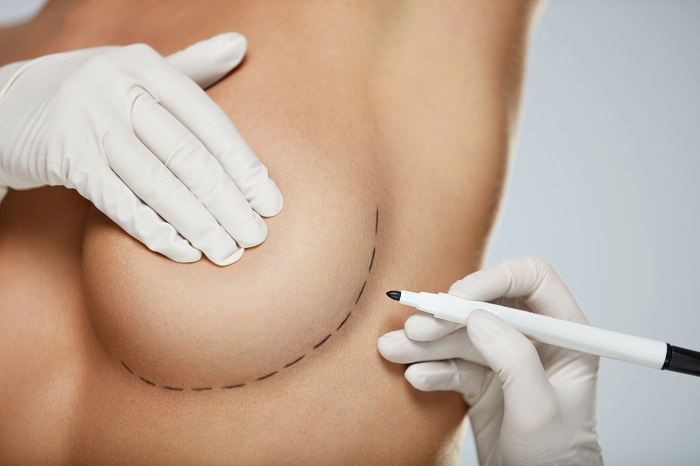
With advancements in medical technology and surgical techniques, breast surgeries today are safer, more precise, and capable of delivering natural-looking results that align with the patient’s vision.
Different Techniques of Breast Surgeries
Here are the main techniques used in breast surgeries:

- Breast Augmentation (Implants or Fat Transfer):
Surgeons use saline or silicone implants or transfer fat from another part of your body to enhance breast size and shape. - Breast Reduction:
This procedure removes excess fat, glandular tissue, and skin to achieve a proportionate size and alleviate discomfort caused by overly large breasts. - Breast Lift (Mastopexy):
A lift repositions the breasts by removing excess skin and tightening surrounding tissue for a firmer look. - Reconstructive Breast Surgery:
After mastectomy or trauma, surgeons rebuild the breast using tissue from another part of the body or implants. - Revision Surgery:
Some patients undergo revision surgery to address complications or refine the results of a previous procedure.
Benefits of Breast Surgeries
Breast surgeries offer many physical, emotional, and psychological benefits:
- Enhanced Appearance: Improved symmetry, proportion, and overall aesthetics.
- Increased Confidence: Many patients report higher self-esteem after surgery.
- Physical Relief: Breast reduction can alleviate chronic pain in the back, shoulders, and neck.
- Restoration Post-Mastectomy: Reconstructive surgeries can restore a sense of normalcy and self-identity.
- Customization: Personalized techniques allow individuals to achieve specific goals.
Ideal Candidates for Breast Surgeries
Breast surgeries are suitable for many people, but ideal candidates often meet these criteria:
- Individuals in good overall health with no underlying medical conditions.
- Non-smokers or those willing to quit smoking during the surgical process.
- People with realistic expectations and clear goals.
- Women who feel self-conscious about the size, shape, or symmetry of their breasts.
- Patients seeking relief from physical discomfort caused by large breasts.
Pre-Operation Breast Surgery Tips
Preparing well before surgery can improve outcomes and ease recovery. Follow these essential steps:
- Consult a Specialist: Schedule a thorough consultation with a board-certified surgeon to discuss your goals and medical history.
- Complete Necessary Tests: Your doctor may recommend blood tests, imaging, or a general health check.
- Adjust Lifestyle Habits: Quit smoking and avoid alcohol in the weeks leading up to surgery.
- Plan for Recovery: Arrange for someone to help you post-surgery and stock up on essential supplies like ice packs and comfortable bras.
- Follow Your Surgeon’s Instructions: Strictly adhere to pre-surgery guidelines, including medication restrictions.
Stages of the Breast Surgery Process
Each breast surgery typically involves these steps:
- Anesthesia Administration: Anesthesia ensures you are comfortable during the procedure.
- Incision Creation: Surgeons choose an incision method based on your goals, such as periareolar, inframammary, or transaxillary.
- Procedure Execution: This includes placing implants, removing tissue, or reconstructing the breast, depending on the type of surgery.
- Closing the Incision: The surgeon carefully closes incisions with sutures or adhesives to minimize scarring.
- Post-Operative Monitoring: After surgery, you will stay in a recovery room for close observation before discharge.
Recovery and Aftercare
Post-Breast surgery recovery varies based on the procedure and individual factors. Follow these tips for a smoother experience:
- Rest and Relaxation: Avoid strenuous activities and heavy lifting for the first few weeks.
- Manage Pain: Take prescribed painkillers and apply ice packs to reduce swelling.
- Wear Supportive Garments: Use a surgical bra to support healing.
- Follow-Up Visits: Attend all post-op appointments to monitor progress and address concerns.
- Adopt a Healthy Diet: Focus on foods that promote healing, like lean proteins, fruits, and vegetables.
For additional details on surgical procedures, visit the American Society of Plastic Surgeons (ASPS) or consult resources from the Mayo Clinic.
Breast surgeries are transformative procedures that can enhance aesthetics, alleviate discomfort, and rebuild confidence. Understanding the options, benefits, and recovery process ensures a positive experience. If you’re exploring medical tourism, Iran offers exceptional care with world-class surgeons at competitive prices, making it a popular choice for international patients.

