
Gastric Balloon
What is a gastric balloon?
The gastric balloon is a non-surgical weight loss solution designed to help individuals achieve their weight loss goals by reducing the stomach’s capacity. This outpatient procedure, which takes about an hour, involves placing a soft, durable silicone balloon in the stomach. A doctor inserts the deflated balloon through the mouth using an endoscope. Once in place, the balloon is filled with saline solution, occupying space in the stomach and limiting food intake. Patients feel full after small meals, leading to significant weight loss. Compared to other bariatric surgeries like gastric sleeve or gastric bypass, the gastric balloon procedure is simpler. There are three types of gastric balloon operations, and the doctor determines the most suitable type based on the patient’s body weight and BMI.
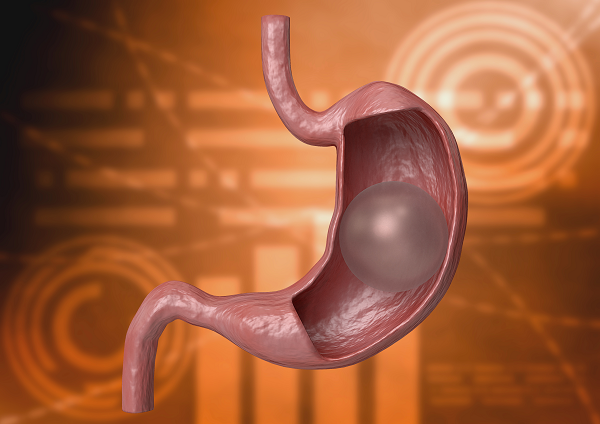
After the gastric balloon is inserted, you’ll initially start with a liquid diet. During this period, the balloon stays in your stomach as part of a comprehensive weight loss plan. When it’s time for removal, the doctor performs a simple 20-minute procedure. They sedate you and then use an endoscope to puncture and remove the deflated balloon.
Benefits of Gastric Balloon
Opting for a gastric balloon offers several benefits:

- Non-surgical: Unlike other weight loss surgeries, the gastric balloon does not require incisions or stitches.
- Quick recovery: Most patients resume normal activities within a few days.
- Effective weight loss: Studies show that patients can lose 20-50% of their excess weight within six months.
- Long-term health benefits: If the operation is a success and you maintain a healthy lifestyle, you can achieve long-term weight loss. This can improve obesity-related health problems such as diabetes, hypertension (raised blood pressure), sleep apnea, and mobility issues.
Candidates for Gastric Balloon
To qualify for gastric balloon , candidates must meet these conditions:
- BMI 30-40: Moderate to severe obesity.
- Age 22+: Recommended for adults.
- Lifestyle Commitment: Willing to adopt healthy habits.
- No Prior Stomach/Esophageal Surgery: Suitable for those without previous surgeries.
- Non-Surgical Preference: Ideal for those seeking less invasive options.
- Diet and Exercise Challenges: Struggled with weight loss through traditional methods.
- Obesity-Related Health Issues: Beneficial for conditions like diabetes, high blood pressure, and sleep apnea.
Pre-Procedure Guidelines for Gastric Balloon
Here are some important tips and instructions to follow before undergoing gastric balloon surgery:
- Fasting: Stop eating and fast for four hours before the operation.
- Medical History: Inform your doctor about your medical history, including any diseases or medications.
- X-Ray: Undergo an X-ray to ensure your safety and fitness for the procedure.
- Avoid Blood Thinners: Refrain from taking blood thinners, including vitamin supplements, alcohol, and green tea.
- Quit Smoking: Stop smoking at least one week before the surgery.
- Reduce Alcohol and Caffeine: Stop alcohol consumption at least one week before surgery and reduce caffeine intake.
- Proton Pump Inhibitors: Start taking a proton pump inhibitor seven days before the procedure to reduce stomach acid.
Steps of the Procedure
The gastric balloon procedure is carried out in a few straightforward steps, which include:
- Clinical Examination: The doctor assesses the excess fat masses, determines the amount to be reduced, and identifies the desired outcomes for the patient.
- Preparing the Patient: Medical staff administers local anesthesia and may give a sedative to help the patient relax.
- Insertion of the Gastric Balloon: Depending on the method (Orbera, Reshape, or Obalon), the doctor places the deflated balloon in the mouth using an endoscope or capsules.
- Endoscopic Examination: The doctor inserts the endoscope through the mouth and then examines the esophagus, stomach, and small bowel to ensure there are no conditions that would make the procedure unsafe.
- Balloon Placement: The doctor guides a catheter with the deflated balloon through the esophagus and into the stomach.
- Filling the Balloon: The doctor fills the balloon with saline through the catheter until it reaches the size of a grapefruit.
- Final Adjustments: The doctor detaches the catheter from the balloon, which seals itself with a valve.
- Completion: The doctor withdraws the endoscope and catheter, leaving the filled balloon in the stomach. A medical team monitors the entire process to ensure safety and effectiveness.
Recovery and Aftercare
The doctor provides specific instructions that the patient must follow to achieve the desired results from the gastric balloon procedure and avoid any side effects. Some of these instructions include:
- Healthy Diet and Exercise: Follow a healthy diet and engage in regular exercise to maximize weight loss results.
- Regular Follow-Ups: Consistently attend regular follow-up appointments with your healthcare provider to monitor progress and make necessary adjustments.
- Hydration: Drink plenty of water before and after meals.
- Avoid Smoking: Refrain from smoking for at least two weeks after the procedure.
- Pain Management: Use prescribed painkillers if you experience any discomfort.
- Activity Restrictions: Avoid carrying heavy objects or engaging in strenuous activities post-procedure.
By adhering to these guidelines, you can maximize the benefits of your surgery.
Iran boasts quality clinics, experienced surgeons, state-of-the-art technology, and a thriving health tourism sector, making it an excellent choice for patients. Beyond the technical aspects, Iran is also a captivating tourist destination. Patients are drawn to Iran not only for its affordable surgery costs but also for the opportunity to explore a country rich in natural beauty and cultural heritage. IranMedVisit, a facilitator company, ensures a seamless experience by combining top-notch medical care with the chance to enjoy Iran’s unique attractions.
For more information on gastric sleeve surgery, visit JHONS HOPKINS MEDICINE.