The Complete Guide to Hair Transplant: Everything You Need to Know
What Is Hair Transplant?
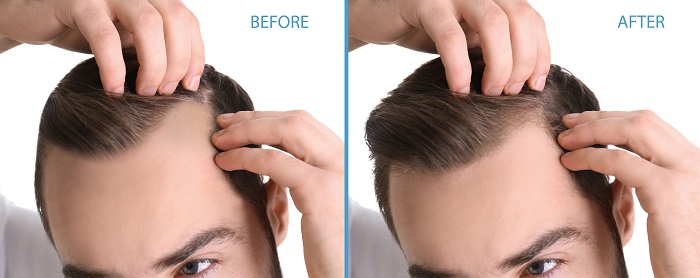
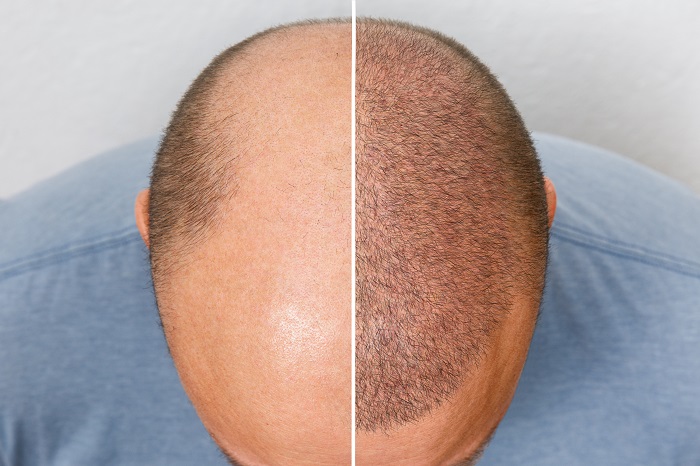
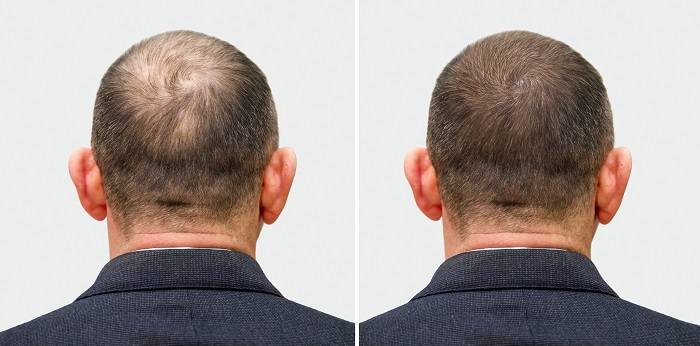
Hair transplant is a cutting-edge medical procedure designed to address hair loss by moving hair follicles from one part of the body, typically the back or sides of the head, to areas where hair is thinning or balding. This procedure restores natural-looking hair growth and boosts confidence. Hair transplant surgeries have become increasingly popular among individuals seeking a permanent solution to hair loss.
Hair can be transplanted not only to the scalp but also to other areas like the eyebrows, beard, mustache, and even eyelashes. This versatility makes the procedure suitable for both men and women. While male-pattern baldness is a common reason for undergoing this surgery, women experiencing thinning hair or receding hairlines can also benefit greatly from a hair transplant.
Different Techniques of Hair Transplant
Hair transplant techniques have evolved significantly over the years, offering various methods tailored to individual needs. Each approach has unique features, making it suitable for different types of hair loss and patient preferences.
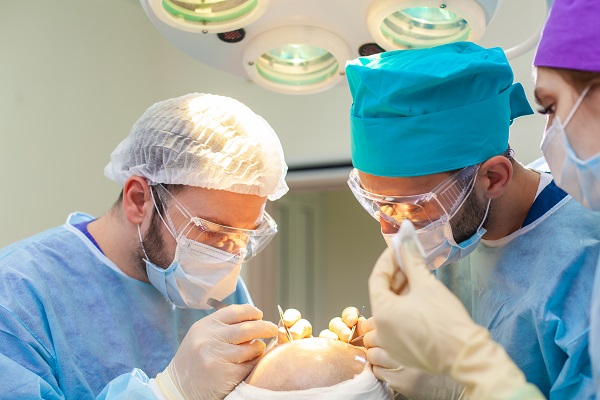
- Follicular Unit Transplantation (FUT) In FUT, a strip of scalp is removed from the donor area, and individual hair follicles are extracted and transplanted to the recipient area. This technique works well for patients who require a large number of grafts in a single session.
- Follicular Unit Extraction (FUE) FUE involves extracting individual follicles directly from the scalp and transplanting them to the balding area. It leaves minimal scarring and ensures a quicker recovery time compared to FUT.
- Direct Hair Implantation (DHI) DHI is a variation of FUE where the surgeon uses a specialized tool to implant hair follicles directly into the scalp without creating incisions. This method provides precise placement and natural hair direction.
- Robotic Hair Transplant This advanced technique employs robotic systems to assist with follicle extraction and placement, ensuring precision and consistency. It is ideal for patients looking for high accuracy and minimal downtime.
Benefits of Hair Transplant
- Permanent Results: Unlike temporary treatments, hair transplants offer a lifelong solution to hair loss.
- Natural Appearance: Transplanted hair blends seamlessly with your natural hair, providing an undetectable look.
- Improved Confidence: A fuller head of hair enhances self-esteem and can positively impact personal and professional interactions.
- Low Maintenance: Once the transplanted hair grows, it requires no special care apart from your usual hair care routine.
- Cost-Effective in the Long Run: Although the initial cost may seem high, the permanent results eliminate the need for recurring expenses on hair loss treatments.
Candidates for Hair Transplant
- Men with Male-Pattern Baldness: Most men experiencing hereditary hair loss are ideal candidates.
- Women with Thinning Hair: Women suffering from diffuse thinning or receding hairlines can also benefit.
- Individuals with Scalp Scars: Hair transplant is effective for those who have scars from injuries or previous surgeries.
- Healthy Donor Area: Candidates must have enough healthy hair in the donor area to ensure successful transplantation.
- Realistic Expectations: Patients must understand the outcomes and limitations of the procedure for satisfaction.
Pre-Operation Tips
- Avoid Smoking and Alcohol: Stop smoking and drinking alcohol at least two weeks before surgery as they can hinder the healing process.
- Consult Your Doctor: Inform your surgeon about any medications or supplements you are taking.
- Refrain from Hair Treatments: Avoid using hair dyes, relaxers, or other chemical treatments a month before the procedure.
- Follow a Healthy Diet: Maintain a balanced diet rich in vitamins and proteins to prepare your body for recovery.
- Get a Good Night’s Sleep: Being well-rested enhances your body’s ability to heal quickly.
Stages of the Hair Transplant Operation
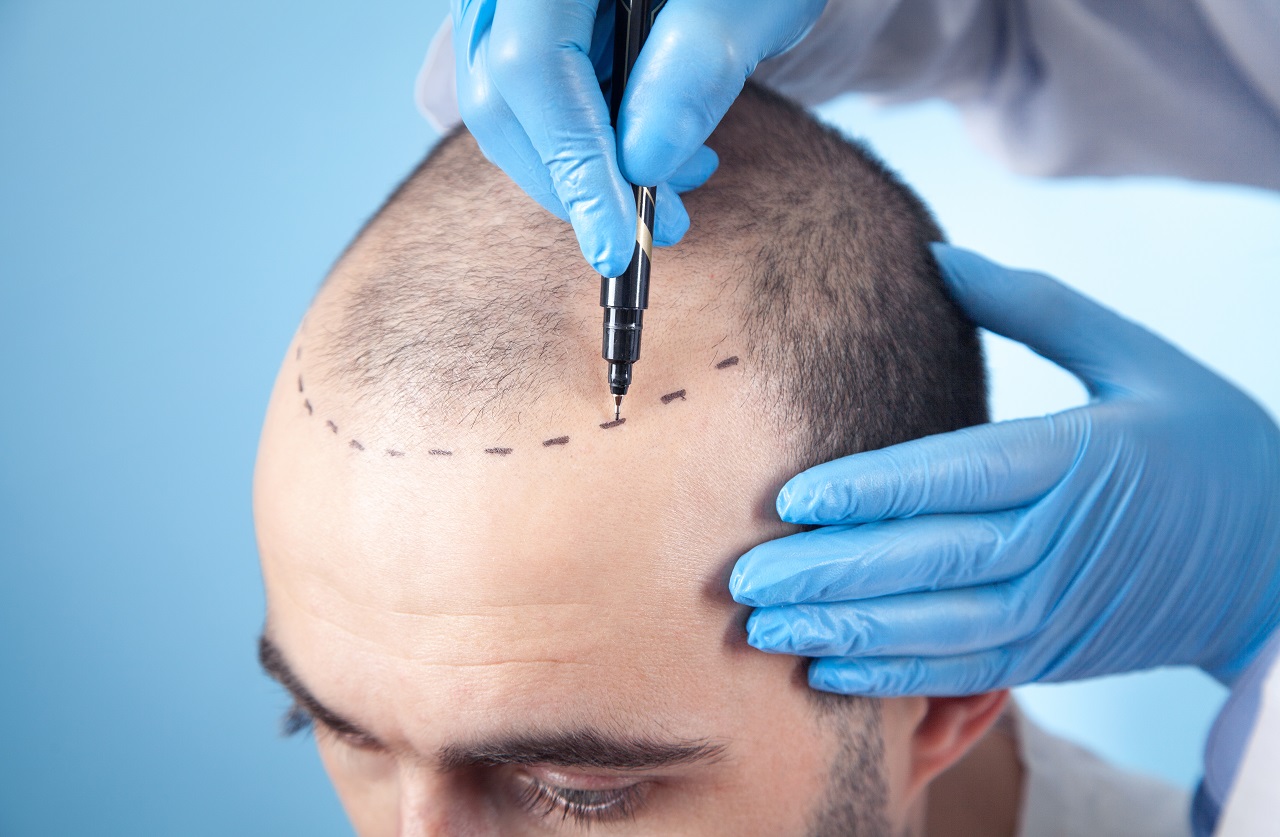
- Consultation and Planning: The surgeon evaluates your hair loss and designs the transplant plan, including the hairline and graft placement.
- Preparation: The donor and recipient areas are cleaned, and local anesthesia is administered for a painless experience.
- Follicle Extraction: Hair follicles are carefully extracted using the chosen technique (FUT, FUE, or DHI).
- Graft Preparation: Extracted follicles are prepared for transplantation under a microscope.
- Recipient Area Creation: Tiny incisions are made in the balding area to accommodate the grafts.
- Follicle Implantation: Hair follicles are implanted into the prepared incisions with precision to ensure natural growth direction.
- Post-Operation Care: The scalp is cleaned and bandaged, and post-operative instructions are provided.
Recovery and Aftercare
After the procedure, patients can resume non-strenuous activities within a few days. Mild swelling and redness are common but resolve quickly. To ensure optimal recovery:
- Follow Doctor’s Instructions: Use prescribed medications and avoid self-medication.
- Avoid Sun Exposure: Protect your scalp from direct sunlight by wearing a loose-fitting hat.
- Refrain from Physical Strain: Avoid intense physical activities for at least two weeks.
- Be Gentle with Your Scalp: Wash your hair as advised and avoid scratching or rubbing the scalp.
- Stay Patient: Hair growth begins after 3-4 months, with full results visible in 12-18 months.
For further details, visit American Academy of Dermatology or Mayo Clinic. These trusted resources provide valuable insights into hair loss treatments and recovery care.
Conclusion
A hair transplant offers a permanent and effective solution to hair loss. With the right surgeon and proper aftercare, you can achieve natural-looking results and renewed confidence. If you’re considering a hair transplant, consult with a qualified expert and prepare for a life-changing transformation.